

Computer with wadded up post it notes and pencils

Self-Advocacy

Blog

Having a Good Work/Personal Life Balance 

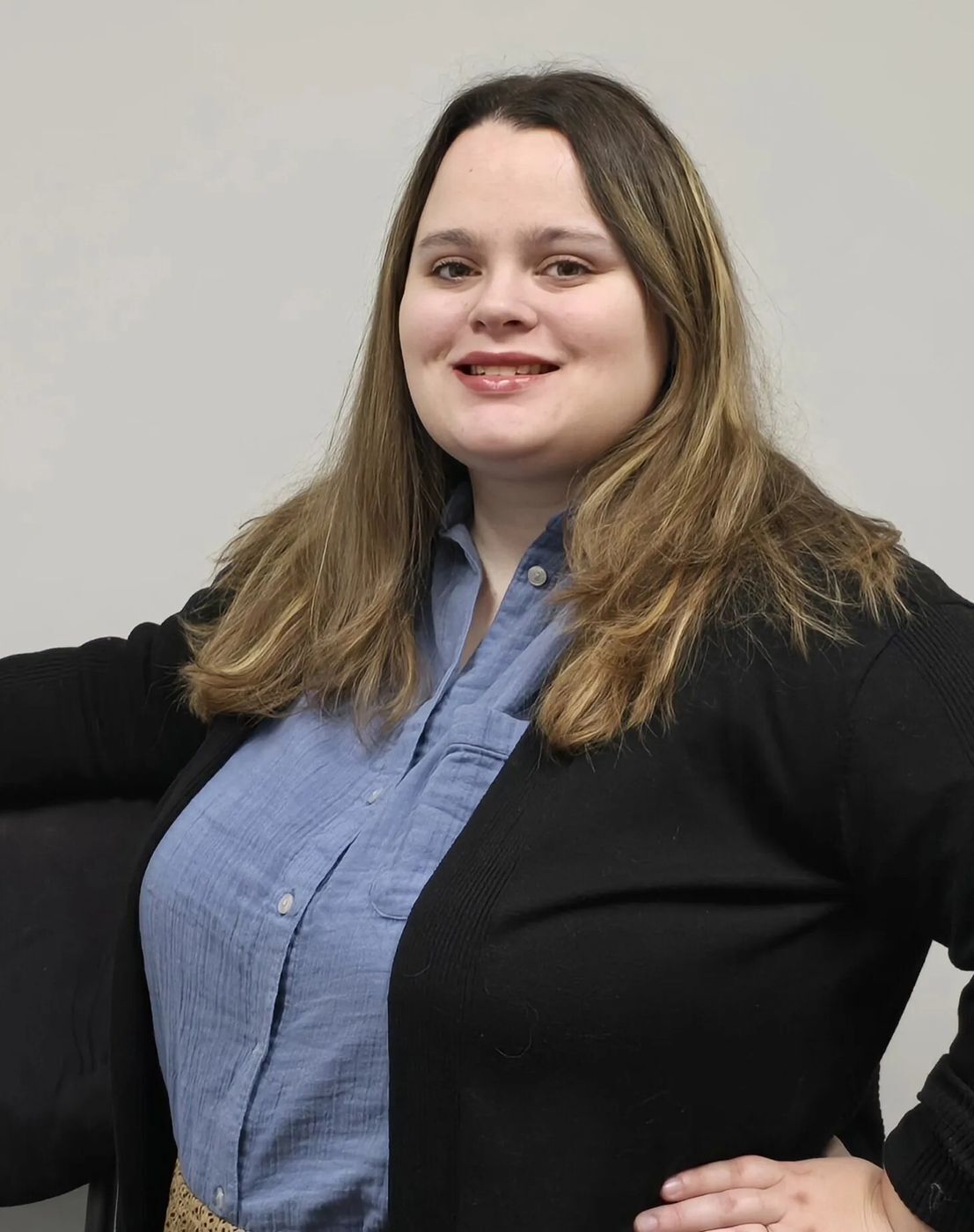
By Liz Apple

Even when I was in high school, I struggled with managing working a part-time job and going to school.  This continued to be a problem throughout my college years and in my career.  I still struggle sometimes with it.  I wish that I had started learning to balance my work and personal lives better in high school before it became a problem.  I have Autism and mental illness, which means that sometimes I have trouble balancing my life at work and outside of work.  It’s important to start learning how to balance these two aspects of your life before you graduate.  One thing that I did in high school was utilize a planner.  Lots of apps exist for planners if you prefer to do things electronically. I also find it helpful to have a calendar too.  I have a shared calendar with my family to keep track of not only what I’m doing on what days, but also where everyone in my family is going to be.  Another step that I take is enhancing my personal life.  In high school, I would take intentional time every day to “cultivate” my hobbies.  This looks like for me taking an hour every day to do something that you enjoy.  In high school, pick extracurricular activities that don’t feel like an obligation.  There are lots of things in life that we have to do that we don’t enjoy, so while you have the opportunity, do a positive activity after school and work that brings you joy.  I also set timers for homework and set time aside that I could do fun things.  For me, that was reading.  For others, it might be gaming on their favorite gaming system.  Everyone is different, and that’s what makes us amazing human beings.  It’s also important to connect with other people.  If you are struggling with balancing your work/school and personal life, reach out to friends, family, or a trusted adult.  It’s okay to ask for help and there’s no shame in it.  Making intentional time for yourself and setting boundaries within your work and what you do outside of work can make all the difference! 


Learn more about coping with stress at work: 

Read about employee stress from Understood: 

Extracurricular activities and employment  by Liz Apple

I loved doing extracurricular (outside of school) activities when I was going through grade and high school.  It not only helped me gain valuable experience but also it helped me learn what I liked and didn’t like to do, which in turn helped me figure out what I wanted to do after high school.  It can be intimidating to put yourself out there and be part of a group.  When I was in high school, I struggled with letting others know about my disability because I didn’t want them to think I wasn’t going to help out.  But I knew that doing activities outside of school would be an amazing learning opportunity. At school, I was on the scholastic bowl team and when it was available, I did Spanish club.  Scholastic bowl helped immensely with my test taking skills, which I used a lot when I was in college and Spanish club helped me learn more about the language and culture that my teacher didn’t have time to teach us in class.  I never did athletics, but I know that athletics can help you learn to work as a team, which can help you as you navigate having a job.  Teamwork is very important when you have a job, particularly if you don’t get along with your coworkers or have anything in common.  Extracurricular activities don’t have to be anything big.  You are in control of how much you can do.  Push yourself, but don’t bend over backwards until you break.  Be honest about how much you can do.  If you need accommodations, you have the right to ask for those.  Accommodations when you are doing extracurricular activities through your school can be written instructions, extra support from an adult or your peers, or even equipment if you are doing a sport.  Everyone deserves a chance to participate! 


Learn more about IEPs and Extracurricular Activities: 

Read this article from PACER: 

Building Resilience and Coping with Setbacks

By Liz Apple 

As frustrating as it can be, we all can have setbacks in progress.  It’s what makes us human beings.  Sometimes within our IEP, we don’t reach our goals, or we don’t meet them when we want to.  It’s important to know how to cope with setbacks and develop resilience.  Resilience doesn’t mean you don’t get to struggle and that you must ignore how you feel.  Resilience is learning to recognize the challenges you are having and learning also how to plan for how to move forward.  There were sometimes I didn’t reach my goal or was still in the process of reaching it.  Everyone blooms at different times and that’s okay!  What matters is that we are growing and learning.  IEPs can help us with setting goals, adjusting goals, and help provide support that we need to accomplish our goals.  When I was in school, I used my IEP to help me learn what I needed to do and who I could ask for help to support me in making decisions about how to meet my goals.  It’s also important to learn how to cope with setbacks. Setbacks can be disappointing and frustrating.  Don’t ignore the feelings that you have.  Talk about what you did well in regard to your goal and what you still need help with.  Talk with your IEP team and get ideas from them about how to reach your goal, even if it takes some time.  Be patient and keep practicing even when you’ve met your goal.  Keep a diary of your successes to inspire you to keep going.  I loved making presentations for my IEP meetings about what I had been doing and all the wonderful things that I accomplished that year.  If you struggle in writing, draw pictures of things that you want to accomplish and your goals.  It takes work, but it is worth it to keep advocating and to keep learning!

More resources on how to cope with setback and build resilience:

Here’s a story from Understood about frustration and learning disabilities:

https://www.understood.org/en/articles/5-lessons-about-failure-from-my-life-with-learning-disabilities

Here’s how to help your child with self-esteem from Understood:

https://www.understood.org/en/articles/regain-self-esteem-in-new-school-year

Check out this article from Mayo Clinic about coping with setbacks and building resilence:

https://www.mayoclinic.org/tests-procedures/resilience-training/in-depth/resilience/art-20046311 


Bridget's December Blog

Bridget’s Blog Dec 2023


I wish you all a very happy holiday!   I can’t believe that we are in December, and very soon, it will be 2024. Enjoy your holidays with your family or friends.


In January, we hope to start a video Blog that will be easy for everyone to access from the Family Matters website.


I finished my semester at school last week.  I was excited that I not only passed the class, but I received an A. I also finished my first semester of LEND and looking forward to the next semester. I will be working on my leadership project with the Going Home Coalition.


It was amazing that I was awarded the Hinsdale South High School Hall of Fame in December.

I think it is really great that they have included a person with a disability in the Hall of Fame, and hope it opens doors for others with disabilities at the school


It was an honor to be invited to the Nursing department Christmas party where I work.

I am looking forward to Learning a lot more interesting facts about how to do more inspirational social justice storytelling in LEND.


I wanted to give you an update about the Creative Housing Network that my friends and I are involved with. It is very exciting e because we support people who are thinking of moving into their own place using Home Based Support funding.  It is a difficult transition and challenging, so we are trying to make it simpler and make sure people with disabilities have a full person-centered life.  We are just starting, so I will interview some of the key people in 2024 because you will want to keep up on their fun work.

We are also doing a COMMON GROUND CLUB. This is an inclusive group of friends. Some have disabilities, and some do not. We are starting with an inclusive Improv Theater experience where we will all have fun together. Once those classes are over in spring 2024 we will sit down with everyone and plan more about how we are going to develop the club and move forward to expand the opportunities to others.

I am excited about this because friendships and relationships are the most important thing to me and to many people.  We hope this will transform the lives of people with and without disabilities and maybe create communities that are welcoming and supportive of ALL people of ALL abilities!


Happy Holidays!

Blessings ~ Bridget


MENU CLOSE